Your website isn’t just an online business card anymore. It’s your storefront, your campaign hub, your customer service desk, and in many cases, your top salesperson. But as your business or political campaign evolves, your website needs to grow, too. That’s where scalable website design comes in.
In this post, I’ll explain what scalable website design means, why it matters, and how to build a website that won’t hold you back a year—or even a month—from now.
What Is Scalable Website Design?
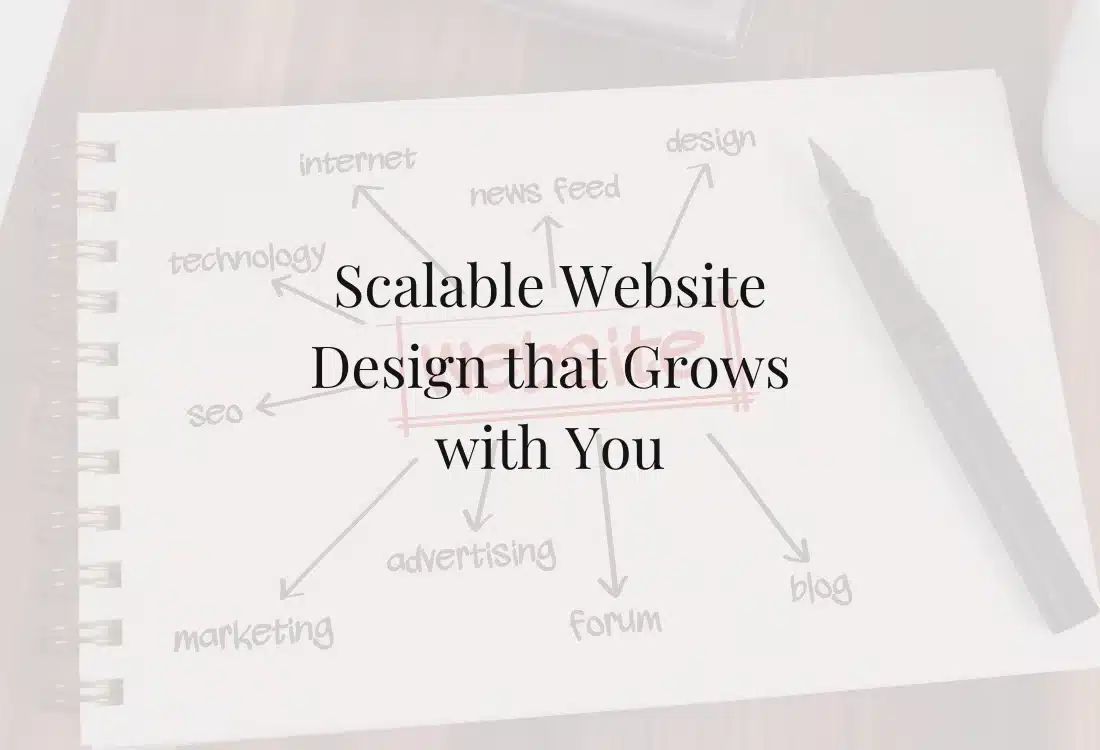
Scalable website design means building a site that’s ready to grow with your business. It’s not just about looking good today — it’s about being flexible enough to adapt as your needs change tomorrow.
Let’s say you start with a basic website that lists your services and contact info. A few months down the road, you decide to add a blog, start collecting emails, or even sell products online. A scalable site makes those changes easy. You won’t have to tear down what you’ve already built or hire someone to redo the entire site from scratch.
Instead of a short-term solution, scalable design creates a solid foundation — one that supports new content, additional features, or increased traffic without losing speed or performance.
A scalable site can handle:
- More traffic
- New content and features
- Evolving customer or voter needs
- Future integrations with tools and platforms
Rather than designing a site that only meets today’s needs, scalable design plans ahead. It creates a flexible structure—one that’s easy to update, upgrade, and expand. Scalability significantly enhances the overall user experience by ensuring faster page load times, smoother and more fluid navigation, and reliable, consistent performance—even during periods of high traffic or sudden visitor spikes.
Why It Matters
For small businesses:
Small business owners wear a lot of hats. The last thing you need is a website that holds you back. A scalable website lets you focus on growth, not fixing tech headaches.
This approach matters because:
- Your business will change. You might add services, hire a team, or expand to new markets. You might launch with a service-based site but later add e-commerce. As your brand grows, you’ll want blog content, case studies, or lead magnets. Your site needs to grow with you.
- Customer expectations evolve. Today’s customers expect smooth navigation, mobile-friendly design, and up-to-date content.
- Technology shifts quickly. A scalable site allows you to keep up without rebuilding everything. There’s a good chance you’ll want to integrate scheduling, reviews, or CRM tools as you grow. Scalable website design allows you to do that without having to rebuild your entire site.
In short, scalable website design gives you peace of mind. You’ll know that whatever tomorrow brings, your website is ready to handle it.
What’s a CRM?
CRM stands for Customer Relationship Management. It’s a tool that helps you keep track of your contacts—whether they’re customers, clients, voters, or supporters.
A CRM stores important info like names, emails, past interactions, and more, so you can build stronger relationships over time.
Popular options include:
HubSpot – great for small businesses
Mailchimp – combines email marketing with CRM features
NationBuilder – built for political campaigns
Salesforce – powerful but complex
For candidates:
- You’ll go from early-stage announcements to full campaign operations.
- You may need to add donation tools, event signups, or issue-based content.
- Your traffic and visibility will spike before major deadlines or elections.
- Like a small business sites, you want to make sure you can easily integrate CRM tools to manage your email list.
If your website can’t grow with you, you’ll face expensive rebuilds, lost time, and missed opportunities.
Planning for Growth from the Start
Designing for scalability doesn’t mean stuffing your site with every possible feature up front. Instead, it means laying a foundation that supports smooth growth.
Key Features of a Scalable Website Design:
- Modular layout: Easy to add sections or pages without breaking your design
- Content management system (CMS): Tools like WordPress let you edit and expand content quickly
- Clean codebase: Developers can build on well-written code without backtracking
- Flexible navigation: Menus that can grow without overwhelming visitors
- Third-party integration options: Seamless incorporation of tools like email marketing, CRM systems, and e-commerce platforms.
At Cardinalis Design, we always ask clients not just “What do you need now?” but also “Where do you want to be in a year?” That helps us build future-ready sites. If your site isn’t ready to grow with you, it’s time to think seriously about either redesigning your current site or building a completely new one.
Signs Your Website Isn’t Scalable
Sometimes, your site may look modern but still be stuck in the past behind the scenes. Here are a few red flags that your current site isn’t designed to grow with you:
- It’s hard to update simple content without calling your developer
- Adding a new product, blog, or page causes formatting issues
- There’s no clear way to collect emails or track leads
- You can’t add new plugins or tools without breaking the site
- Your mobile experience is poor or outdated
If this sounds familiar, don’t worry. Transitioning to a scalable design doesn’t always mean starting from scratch. Sometimes, it’s a matter of restructuring what you already have.
Scaling in Stages: What to Add and When
The beauty of scalable design is that you don’t have to do everything all at once. Here’s a simple guide to what features you might add as you grow:
| Business Stage | Website Needs |
| Startup | Clean design, clear CTA, mobile-friendly |
| Growth | Blog, email signup, SEO tools |
| Expansion | E-commerce, CRM, landing pages |
| Maturity | Analytics dashboards, automation, multilingual support |
This stage-by-stage growth model ensures that you’re only paying for what you need, when you need it—but your site is always ready for what comes next.
SEO and Scalability Go Hand in Hand
As your website grows, so should your search visibility. A scalable site structure supports better SEO because:
- Pages are easy to crawl and index
- Content is organized into clear hierarchies
- You can add new SEO-optimized pages without breaking things
- You avoid duplicate content by using tools like canonical tags
Over time, this helps your rankings grow along with your audience.
For more SEO tips tailored to small businesses, check out our post on common SEO mistakes to avoid.
Tips for Choosing a Scalable Website Platform
Not all website builders are created equally. Here’s a quick breakdown to help you choose a scalable-friendly option:
Top Options:
- WordPress: Highly flexible, massive plugin library, ideal for long-term growth
- Webflow: Great for design control and CMS structure, but slightly steeper learning curve
- Shopify: Best for e-commerce scalability
Avoid Platforms That:
- Lock you into a rigid structure
- Don’t support third-party integrations
- Charge high fees for adding basic features
- Make it hard to export your content
When in doubt, choose a platform that gives you control over your content and growth. You don’t want to be stuck with a tool that caps your potential. For a deeper dive into website scalability strategies, check out Webflow’s guide on Website Scaling Essentials.
Final Thoughts: Future-Proof Your Website Now
Your website is an investment in your business—or your campaign’s—future. A well-built, scalable website design means you won’t have to scrap everything and start over each time you level up.
Instead, you’ll have a solid foundation that lets you:
- Respond to new opportunities
- Serve a growing audience
- Stay competitive online
At Cardinalis Design, we specialize in building websites that scale with your goals. Whether you’re starting from scratch or upgrading an existing site, we’re here to help you future-proof your digital presence.
Ready to build a website that grows with you? Let’s talk.